







Search Results for: three elements of terroir
What Is the "Terroir" Taste of Specialty Coffee? A Detailed Explanation of the Three Key Factors Affecting Coffee Flavor: Soil, Climate, and Altitude
When we talk about specialty coffee, why do baristas always emphasize the region first? The answer lies in "the taste of terroir." Different regions, due to differences in their natural environments, give coffee beans completely distinct flavor characteristics—this is the power of terroir. In this article, Front Street Coffee will take you deeper into what the taste of terroir is, how it influences the direction of coffee's flavor, and the three key elements that determine coffee's taste—soil, climate, and altitude. At the same time, we will also clarify a common misconception: terroir is certainly important, but it is only the foundational condition of coffee's flavor, not the sole factor determining its final expression. [more…]
What variety is Yunnan Typica coffee? A complete analysis of the flavor and brewing of specialty sun-dried beans from the Lincang region
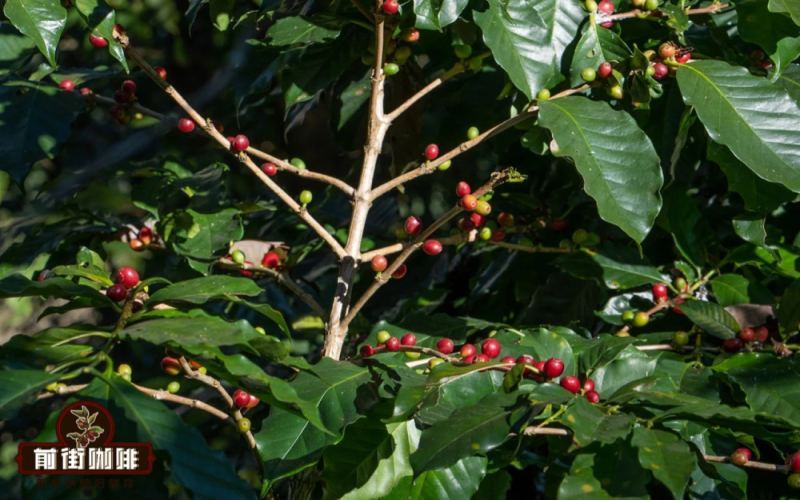
Typica is one of the oldest Arabica varieties and a classic variety mentioned when defining the three elements of specialty coffee in "The Craft of Specialty Coffee." As China's core coffee-producing region, Yunnan's Pu'er, Baoshan, Dehong, and Lincang areas each have their own terroir characteristics, and Lincang, with its superior climate and large temperature difference between day and night, has become a place with potential for specialty coffee cultivation. Front Street Coffee went deep into Yunnan even before its roasting business, established its own estate in Lincang, chose to grow the more difficult Typica, adopted the traditional natural process, and launched Front Street 2013 Yunnan Natural Typica. This bean is rich in aroma, with prominent dried-fruit sweetness, accompanied by gentle plum acidity and nutty notes, and a finish of brown sugar sweetness and black tea character. This article will systematically introduce the varietal background of Typica, the characteristics of Yunnan's producing regions, and brewing suggestions for this bean, helping coffee lovers gain a comprehensive understanding of the charm of Yunnan Typica specialty coffee. [more…]

A Comprehensive Analysis of the Terroir Conditions and Cupping Flavors of the Guatemalan Antigua Coffee Region
The Antigua Valley is one of Guatemala's most iconic coffee-producing regions, surrounded by three volcanoes—Agua, Acatenango, and Fuego—which create a unique enclosed valley microclimate. Rainfall here is scarce, but the soil's abundant pumice content keeps humidity stable at around 65% year-round, compensating for the lack of rain. Most coffee trees are planted in the heart of the valley at elevations above 1,500 meters, with some farmers pushing cultivation as high as 1,700 meters. Fertile volcanic ash, ample sunlight, and cool nights together shape the refined, balanced style of Antigua coffee. This article will provide a detailed interpretation of the terroir code of this region, along with specific cupping data and flavor descriptions, to give you a comprehensive understanding of the unique charm of Antigua coffee. [more…]
A Complete Analysis of Typica and Catimor Varieties: Flavor Differences in Yunnan Coffee Regions and a Comparison with Front Street Coffee Beans
Among the core elements of specialty coffee, variety is always the topic most worth exploring in depth. Typica, as the oldest typical variety of Arabica, has a refined flavor but weak disease resistance; Catimor, with its advantages of rust resistance and high yield, now occupies more than ninety percent of Yunnan's cultivation area. This article starts from the historical context, tracing Typica's spread from Ethiopia to the rest of the world, as well as the background of Catimor's emergence during the leaf rust crisis, and then focuses on the terroir characteristics of Yunnan's four major producing regions: Dehong, Baoshan, Lincang, and Pu'er. At the same time, it compares the flavor performance of two Yunnan beans from Front Street Coffee—the 2013 sun-dried Typica and the washed small-bean Catimor—and includes V60 three-pour brewing parameters. [more…]
A Complete Guide to Panama Geisha Coffee: From the Terroir of the Boquete Region to Flavor Profiles of Hacienda La Esmeralda and Elida Estate
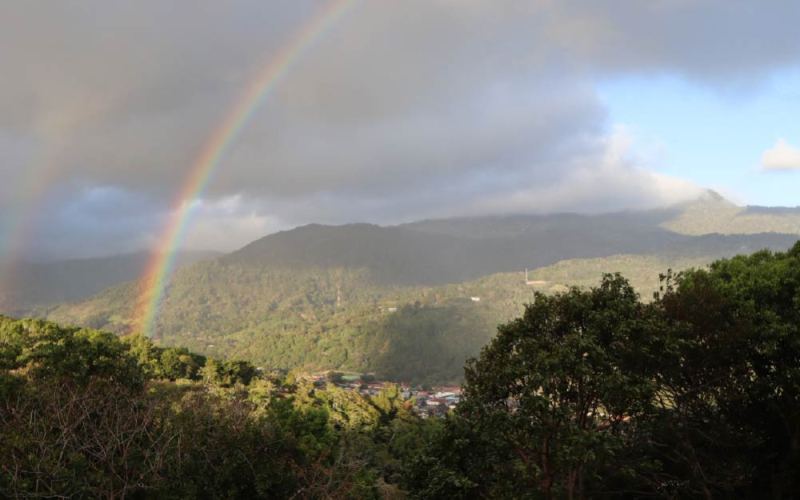
Panama is a renowned specialty coffee-producing country in Central America, with three major regions—Boquete, Volcán, and Renacimiento—concentrated in the western province of Chiriquí. Among them, the small town of Boquete, thanks to the fertile soil brought by the Barú Volcano, the microclimate formed by the convergence of the Caribbean Sea and the Pacific Ocean, and the comfortable temperatures ranging from 11°C to 27°C with significant day-night temperature swings, has become the most famous producing region for Geisha coffee. This article will start with its geographical location, climatic characteristics, and regional divisions to introduce the sources of Panamanian coffee's flavor, and recommend Front Street's Hacienda La Esmeralda Geisha and Elida Estate Geisha, as well as the jasmine, citrus, cantaloupe, honey, and green tea flavors that Boquete Geisha presents under a medium-light roast. [more…]
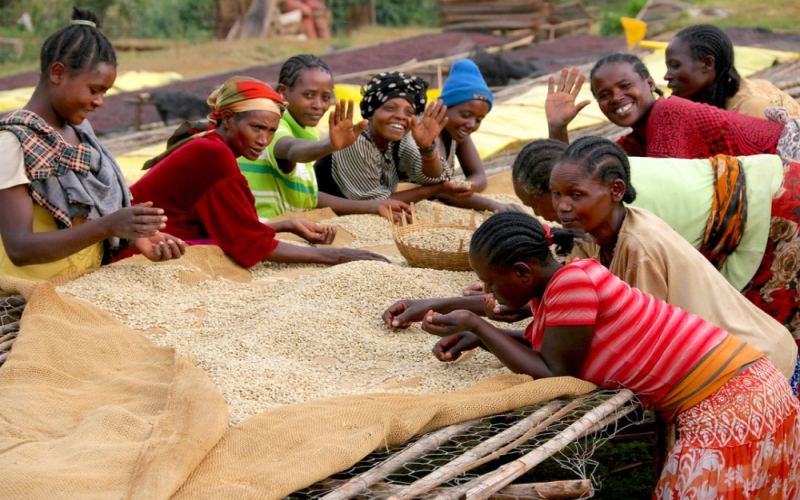
Burundi: A Major Coffee Hub in East Africa — A Full Analysis of the Terroir of Its Five Major Producing Regions and the Double Washed Processing Method
In the African coffee landscape, Burundi has long been known as the "Heart of Africa." This landlocked country south of the equator, with its high altitudes, volcanic-rich soil, and abundant rainfall, produces coffee beans of remarkable quality. This article begins with Burundi's geography, climate, and the symbolism of its national flag, then examines one by one the terroir characteristics and harvest rhythms of major producing regions such as Buyenzi, Kirundo, Kayanza, and Muyinga, before taking a deep dive into the country's highly distinctive double washed processing method—the complete sequence of two fermentations and two washings. For coffee lovers who favor the bright acidity of African washed beans, Burundi is a stop worth rediscovering, and Front Street Coffee will continue to follow the performance of this producing region. [more…]
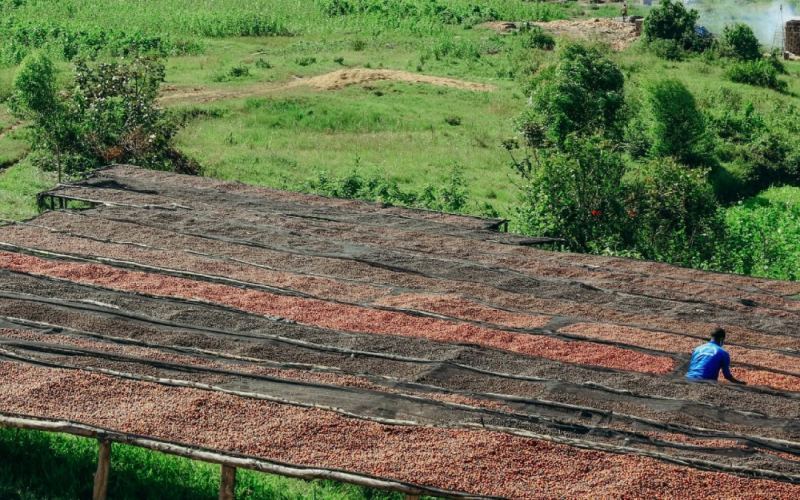
An Analysis of Rwanda's Coffee-Growing Terroir: From Historical Struggles to the Flavor Rise of Specialty Washed Red Bourbon
Although Rwanda is a small landlocked country in Africa, it has gradually become a producer that cannot be ignored in the specialty coffee field, thanks to its high altitude, volcanic soil, and Bourbon-lineage varieties. From the perspective of Front Street Coffee, this article reviews the colonial history, industry ups and downs, and contemporary revival of Rwandan coffee, explains in detail its growing environment, main varieties, and washed processing characteristics, and highlights the washed Red Bourbon from the Nanshike producing area selected by Front Street, presenting a clean flavor interwoven with berries, apple, and green tea. [more…]
Which coffee species does Typica belong to? A detailed explanation of coffee variety characteristics and Yunnan production region distribution
Among the three core elements of specialty coffee, variety has always been the most complex and fascinating topic. This article starts from botanical classification, sorts out the historical origins of Arabica and Typica, traces Typica's spread from Ethiopia to Yemen, India, Europe, the Americas, and even Yunnan, and compares the background of Catimor's rise with the terroir characteristics of major Yunnan producing regions. It also introduces Front Street Coffee's choice to grow Typica in Yunnan, as well as the flavor performance and brewing parameters of Front Street 2013 Sun-Dried Typica, providing coffee lovers with a complete guide to understanding varieties. [more…]
A Complete Guide to Ethiopian Coffee Origins: Terroir, Processing Methods, and Brewing Flavor Profiles of Yirgacheffe and Sidamo
Ethiopia is a core producing region that cannot be overlooked on the specialty coffee map, and Yirgacheffe and Sidamo are two of its most representative names. The former is known for citrus, white flowers, and a tea-like quality, while the latter stands out for full-bodied berry notes, red florals, and a semi-fermented tea character. This article will examine the flavor formation of these two regions from the perspectives of geography, altitude and climate, varietal resources, and processing methods, and introduce related everyday beans and signature products under Front Street Coffee, helping readers new to specialty coffee build an understanding of regional flavors at a lower cost, while also providing brewing parameter suggestions for light-roasted Ethiopian beans. [more…]
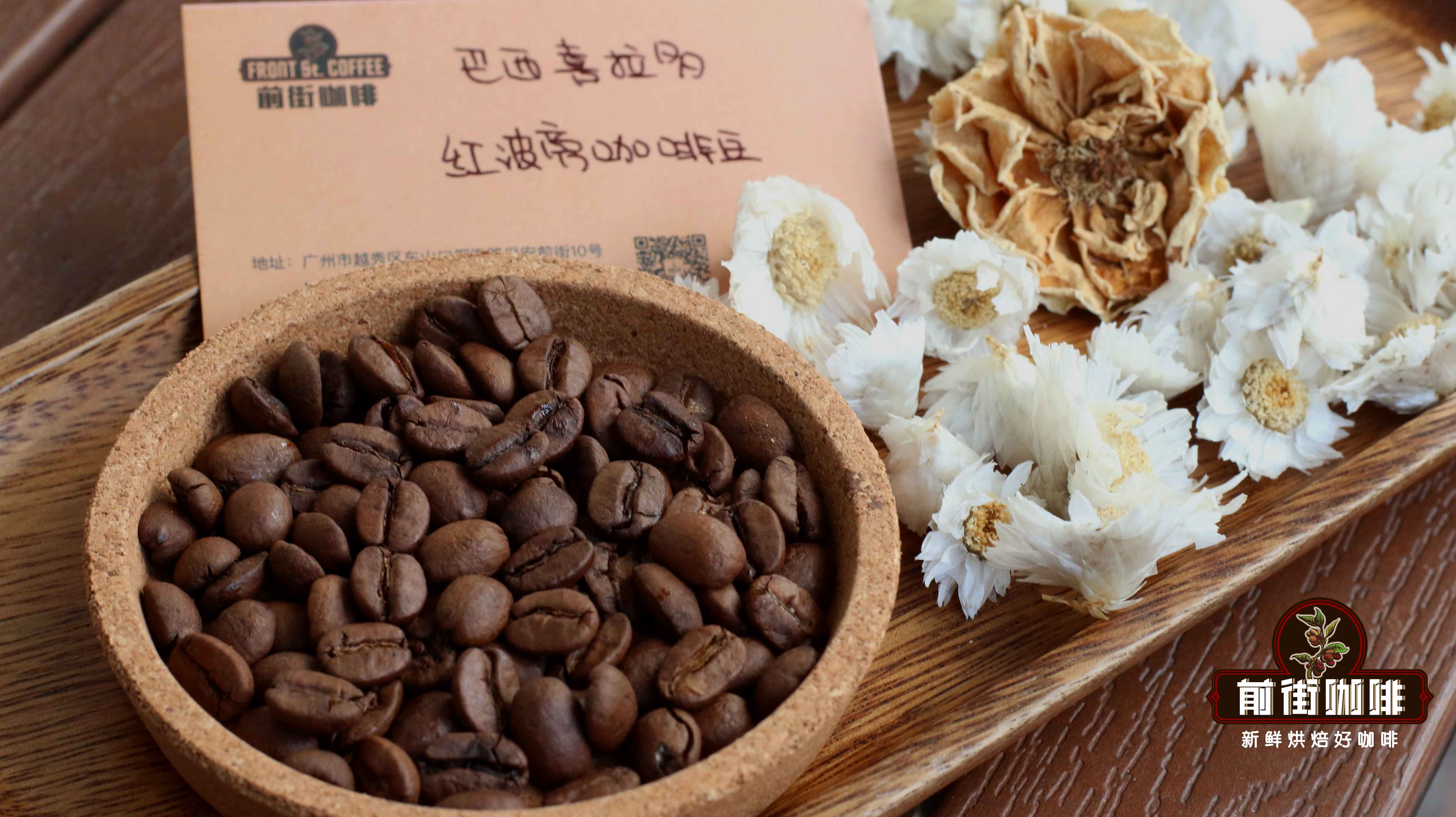
Brazil Cerrado Red Bourbon Coffee Beans: A Full Analysis of Regional Terroir, Semi-Washed Processing, and Brewing Parameters
Brazil, as the world's largest coffee producer, is known for the red bourbon coffee beans from its Cerrado region, which are celebrated for low acidity, nutty and chocolate flavors, and excellent balance. Front Street Coffee's Brazilian Cerrado everyday drinking beans, processed using the semi-washed method and medium roast, display creamy peanut aromas and a rich sweetness. This article will provide a comprehensive analysis of the unique charm of this entry-level specialty coffee, covering the region's terroir, variety characteristics, semi-washed processing technique, Brazilian coffee bean grading system, and the brewing parameters and flavor performance of the Kono dripper, helping coffee enthusiasts understand why Brazilian coffee has become a classic choice for espresso blends and daily drinking. [more…]
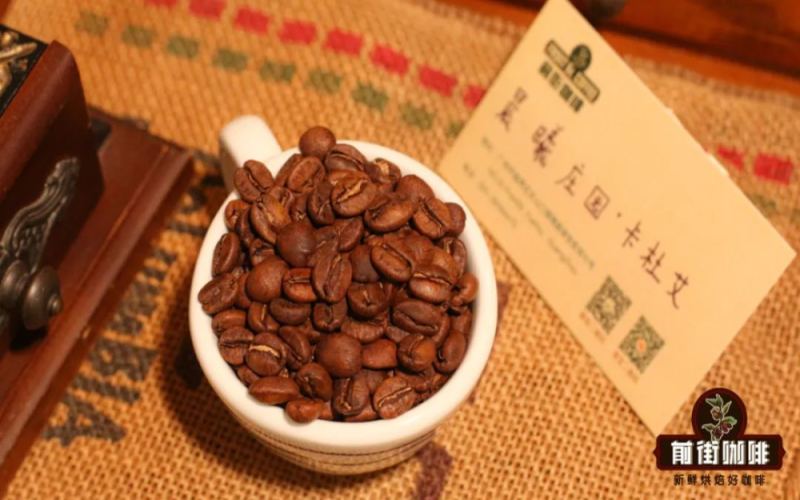
Costa Rica Dawn Estate Red Honey Catuai: Tarrazu Origin Flavor and Variety Analysis
In coffee cupping, sweetness is often the key to a higher score, and Costa Rica, with its diverse honey processing methods, has become a representative origin for high-quality sweetness. In this article, Front Street will focus on a red honey processed Catuai from Dawn Estate in the Tarrazu region of Costa Rica, breaking down everything from the estate's story, the terroir of Tarrazu, and the characteristics of the Catuai variety to the details of red honey processing. The estate is located at an altitude of 1,750 meters, surrounded by pristine green belts, and practices ecological principles through meticulous plot management. Through cupping records, we will present the sweet orange, cream, grapefruit, honey, and black tea flavors this bean displays in dry aroma and slurping, and share its flavor performance under a medium-light roast. [more…]

Ethiopian Natural Sidamo Queen of Flowers Coffee: A Complete Guide to Heirloom Flavors, G1 Grade, and Pour-Over Parameters
Front Street Sun-Dried Sidamo Huakui coffee is renowned for its elegant floral aroma and rich fruity notes; it is sweet on the palate with a honey-like finish, yet very affordable at only 65 yuan for half a pound. Ethiopia, the birthplace of Arabica, is home to two renowned specialty regions—Yirgacheffe and Sidamo—each with distinct characteristics: the former uses washed processing to showcase a clean, bright jasmine aroma, while the latter uses natural processing to give the coffee a richer fragrance and sweetness. Huakui is the flagship representation of Sidamo natural beans. This article will walk you through the terroir of the Sidamo region, the origins of the Heirloom native variety used in Huakui, Ethiopia's G1 grading standard, and Front Street's recommended V60 brewing parameters, offering a comprehensive analysis of this bean's flavor code. [more…]
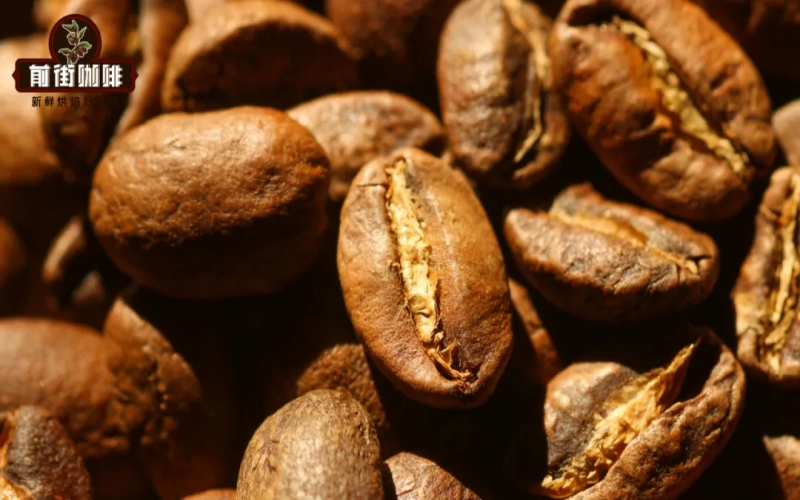
Panama Geisha Coffee Flavor Analysis and Three Brewing Methods: Pour-Over, French Press, and Cold Brew
Panama Geisha coffee is world-famous for its floral aroma, tropical fruit notes, and intense sweetness, making it a star variety in specialty coffee. It originates from ancient heirloom varieties in Ethiopia, was later introduced to Panama via Costa Rica, and rose to fame after being discovered by Hacienda La Esmeralda. Different terroirs across producing regions give Geisha strikingly different flavor expressions. This article will guide you through Geisha's historical origins, the characteristics of Panama's producing regions, and its cupping flavors, and will also detail three brewing methods for Front Street Coffee Geisha—pour-over, French press, and cold brew—so you can easily present this cup of floral, aromatic specialty coffee at home. [more…]
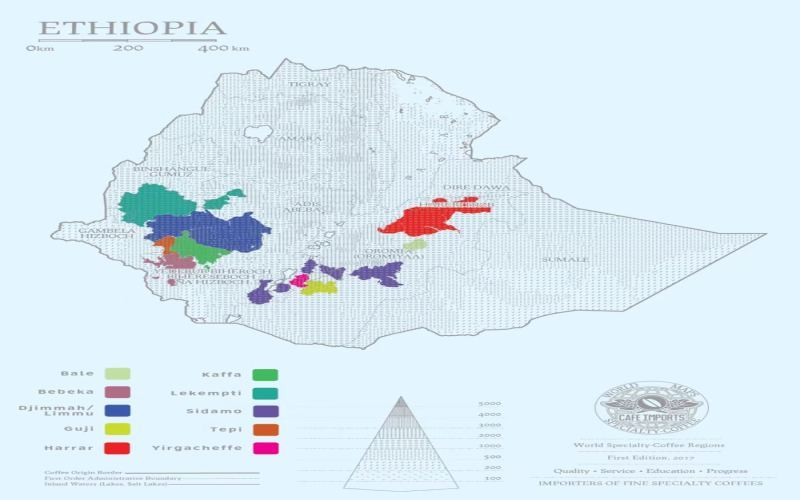
Yirgacheffe Konga Cooperative Coffee Beans: Heirloom Flavor, Natural Processing, and V60 Brewing Parameters Explained
Yirgacheffe is a highly recognizable specialty coffee region in Ethiopia, and the Konga Cooperative is one of its standout sub-cooperatives. This article focuses on Konga coffee beans, outlining the terroir of the Yirgacheffe region, the geographic and soil advantages of the Konga Cooperative, the characteristics of local heirloom varieties, and the fermented fruity aromas brought by the natural process. It also combines Front Street's medium-light roast recommendation with specific brewing parameters such as a V60 dripper, 91°C water temperature, 15 grams of coffee, and a 1:15 coffee-to-water ratio, helping you gain a more complete understanding of this coffee's flavor logic from origin to cup. [more…]
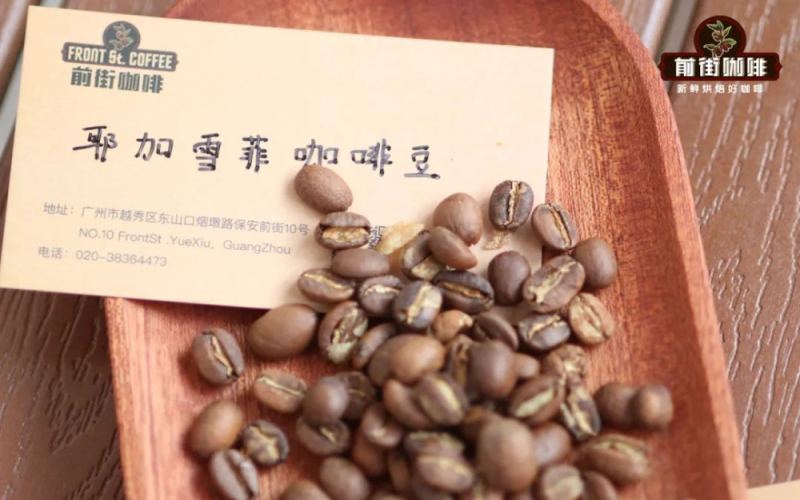
Yirgacheffe Coffee Bean Brand Recommendations: How Washed Processing and Pour-Over Parameters Restore the Classic Floral and Fruity Flavor
Yirgacheffe is where many coffee lovers take their first step into the world of specialty coffee. With its delicate jasmine aroma and bright citrus acidity, it overturns the conventional notion that coffee can only be strong and bitter. This high-altitude growing region, located in the northwest of the Sidama Province in Ethiopia, has shaped a classic flavor that is clean and clear with pleasant fruity acidity, thanks to its unique terroir, the washed processing technique introduced in 1972, and the concept of light roasting. Front Street Yirgacheffe, as a representative everyday bean from the African growing regions, presents the authentic taste of washed processing in a 100-gram small package. This article will systematically review Yirgacheffe's growing region background, the evolution of processing methods, and the shift in roasting philosophy, and will also include the standard V60 three-pour brewing parameters and extraction logic used in Front Street stores, helping readers fully recreate a cup of Yirgacheffe that combines floral aroma and fruity flavor. [more…]
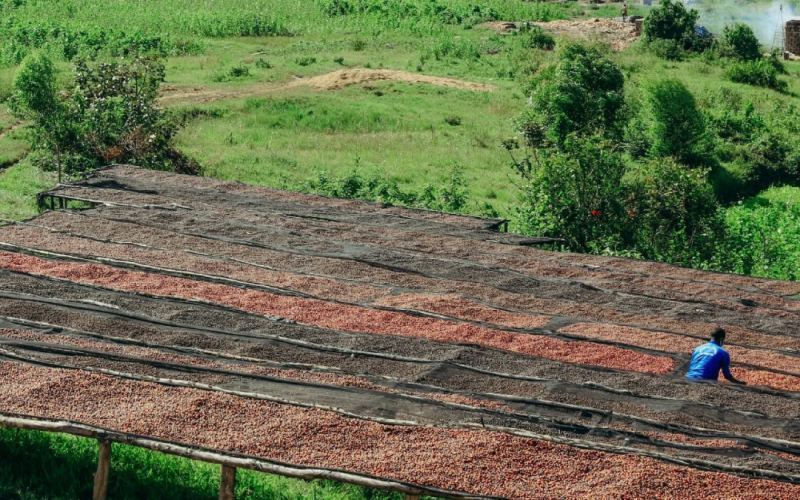
A Complete Analysis of Rwandan Coffee Regions: Gaseke Bourbon's Washed Processing and Flavor Code
In the African specialty coffee landscape, beyond Ethiopia and Kenya, Rwanda has risen rapidly in recent years thanks to its impressive performance at the Cup of Excellence. This landlocked country, known as the "Land of a Thousand Hills," enjoys volcanic soil and high-altitude advantages, shaping a clean and bright flavor profile through Bourbon-lineage varieties and washed processing. In this article, Front Street Coffee will guide you through Rwanda's coffee-growing conditions, the development trajectory from the colonial period to the NAEB reforms, the characteristics of Bourbon varieties and the washed process, and share the roasting and pour-over parameters for Front Street's Rwanda Red Bourbon and Giseke coffee beans, so we can together experience the terroir flavors of berries, citrus, and nuts interwoven. [more…]
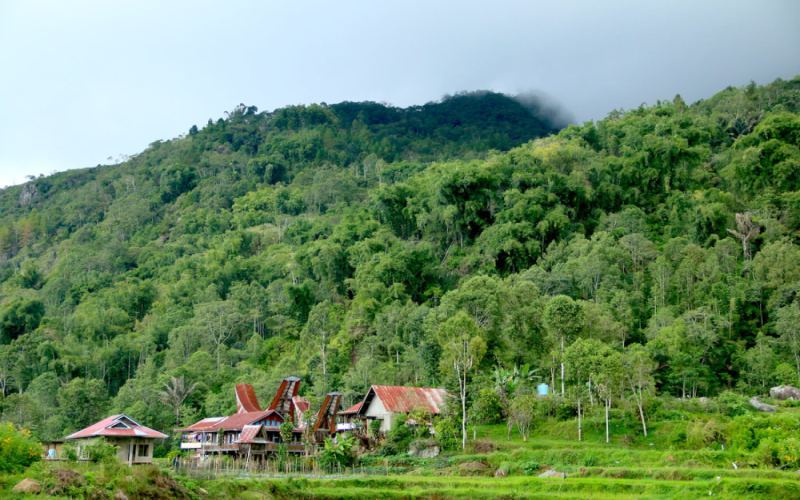
Indonesian Sumatra Mandheling Coffee Flavor Analysis: Three Major Producing Regions' Characteristics, Wet-Hulling Method, and a Comparison of Front Street Coffee's Four Mandheling Varieties
Sumatra is one of Indonesia's largest islands, and its local coffee is known for low acidity, high intensity, and a grassy aroma, with Mandheling being the quintessential example. Starting from the cultivation records of Sumatra, this article sorts out the terroir characteristics of three major producing regions—Aceh Gayo, Lintong, and Mangkuraja—offers an in-depth interpretation of how the wet-hulling process shapes Mandheling's uniquely full-bodied mouthfeel and herbal notes, and compares the differences among four common products: Front Street Lintong Mandheling, Golden Mandheling, Aged Mandheling, and Tiger Mandheling. The article also includes the producing-region information and brewing parameters for Front Street PWN Golden Mandheling, providing coffee enthusiasts with a complete reference from origin to cup. [more…]
The Flavor Differences Between Natural Sidamo Huakui and Washed Yirgacheffe, and an Analysis of Sidamo Coffee Prices
Ethiopia is a brilliant jewel of specialty coffee, with the two major producing regions of Sidamo and Yirgacheffe each boasting their own distinctive charm. This article systematically compares the differences between natural Sidamo (represented by Front Street Coffee's Huakui) and washed Yirgacheffe, from flavor and processing methods to variety traceability and grading classification, and also answers whether Sidamo coffee is expensive. You will learn about the origins and version evolution of Huakui coffee, the trademark disputes and terroir conditions of the Sidamo region, the essence of the Heirloom native variety, and Front Street Coffee's brewing recommendations. Whether you are a beginner enthusiast or a seasoned veteran, you will gain clear understanding and practical reference from it. [more…]
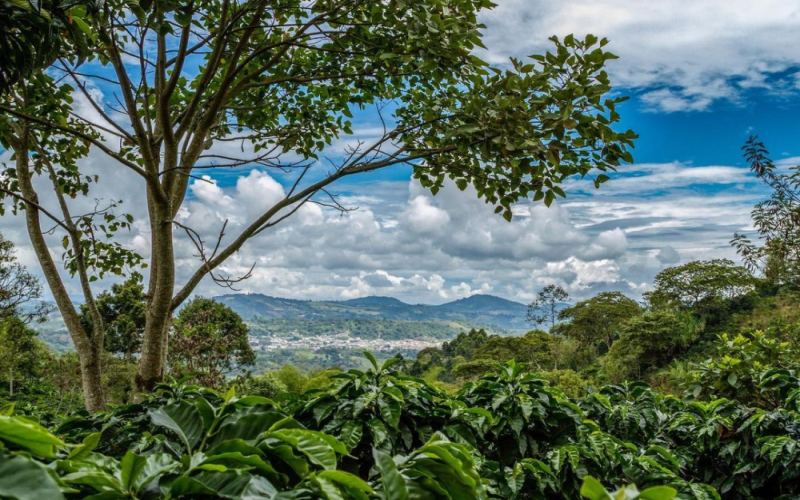
Analysis of the Causes of Acidity in Colombian Coffee and Its Flavor Differences from Brazil, Plus the Characteristics of Major Producing Regions and Varieties
Colombia enjoys the advantage of dual ports on the Atlantic and Pacific, making its coffee transportation costs far lower than other South American countries. Its producing regions are mostly distributed in the high-altitude areas of the Andes Mountains, creating coffees known for excellent acidity and distinctive flavors. This article provides a detailed analysis of the sources of Colombian coffee's acidity, compares its flavor differences with Brazilian coffee, and introduces one by one the variety characteristics and cupping flavors of core producing regions such as Medellín, Santander, Huila, Cauca, and Nariño. It also includes roasting and brewing recommendations for several Front Street Coffee Colombian beans, helping coffee enthusiasts gain a deeper understanding of the terroir charm of this major South American coffee country. [more…]
Introduction to the Coffee Bean Varieties of Guatemala's Huehuetenango Region: Pour-Over Flavor and Taste Characteristics
Guatemala is a flagship coffee-producing country in Central America, often described as having a smoky "uncle-style" flavor, but this smokiness comes from the terroir rather than artificial additives, and combined with nutty and chocolate notes, it is full of charm. The country is home to producing regions such as Antigua, Huehuetenango, Copán, San Marcos, Atitlán, Acatenango, Fraijanes, and New Oriente, each with its own unique climate and soil conditions. Among them, Huehuetenango is known for its rich fruity flavors, while Antigua is famous for its light smokiness and deep fruity aroma. Front Street Coffee's Huehuetenango everyday drinking beans and La Minita La Flor del Café represent the classic styles of these two regions, respectively. This article will go through the characteristics of each region one by one and share brewing ideas and specific parameters for the La Flor del Café beans. [more…]